
NDIS Support Workers: How to Set Boundaries and Build a Great Working Relationship

Your NDIS support worker plays a meaningful role in your day-to-day life. They help you with personal care, building your independence in the community, or supporting you to work toward your NDIS goals. The connection you develop with them can feel genuinely warm and personal.
And that’s a wonderful thing! When you click with your support worker, it often means they’re doing their job well.
But here’s something equally important to understand: no matter how great your rapport is, your relationship is always a professional one. Recognising that distinction isn’t about being cold or suspicious; it’s about setting both of you up for the best possible outcome.
The Role of an NDIS Support Worker
Support workers are skilled professionals who assist you in achieving the goals outlined in your NDIS plan. That might mean helping you with daily tasks like personal hygiene and grooming, supporting you to develop practical life skills, or encouraging you toward greater independence and community participation.
Their role is clearly defined, and that definition is actually there to protect you.
Here’s what healthy professional support looks like in practice:
- A support worker can be warm and genuinely interested in your wellbeing, but they’re not a friend or confidant in the traditional sense. The emotional support flows one way: toward you.
- They can help you find the best strategies for living as independently as possible, but decisions about how you spend your money, who you spend your time with and how you live your life remain entirely yours.
- Communication should be purposeful and appropriate. It’s focused on coordinating and delivering your supports.
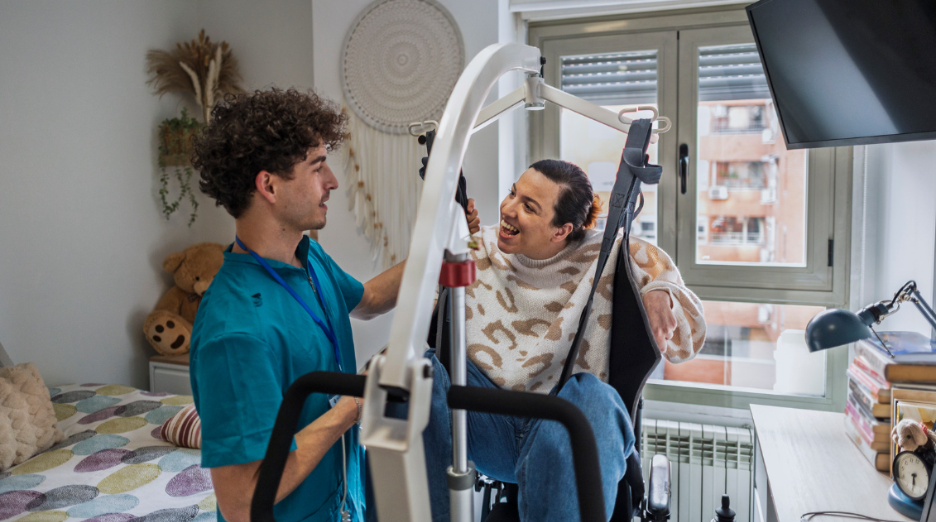
What a Healthy Support Relationship Looks Like
A well-functioning support arrangement feels consistent and respectful. You should always know where you stand. Look for these signs that things are on the right track:
- Reliability — Your support worker arrives when agreed and sticks to the plan.
- Respect for your preferences — They check in with you, listen actively and adapt to your needs.
- Genuine encouragement — They celebrate your progress and actively support your independence rather than fostering reliance.
- Alignment with your NDIS plan — Every session has purpose and direction tied to your goals.
- Clear, appropriate communication — Contact happens when it needs to, in the way you’ve agreed upon.
When these things are in place, you have a strong foundation to work from.
When the Professional Line Gets Blurred
It’s equally important to know what to watch out for. Unprofessional behaviour in a support relationship, even if it seems harmless at first, can compromise your safety over time.
Warning signs to be aware of include:
- Requests that feel out of place — such as asking for personal favours, borrowing money, or hinting gifts.
- Oversharing personal problems — you should never feel like you’re the one providing emotional support.
- Encouraging dependency — a good support worker helps you grow. If they seem to be making themselves indispensable rather than building your capacity, that’s a concern.
- Contact outside agreed boundaries — reaching out at odd hours or for reasons unrelated to your supports.
- Overstepping their expertise — offering advice or opinions on matters that fall outside their professional scope.
How to Build Healthy Boundaries from the Start
Think of boundaries as the agreed-upon rules that allow everything to run smoothly, so you can focus on what the arrangement is actually for.
The best time to establish clear boundaries is before supports begin. A signed service agreement is your most powerful tool here. It gives both you and your support worker the opportunity to clearly outline expectations and non-negotiables from day one so there are no surprises down the track.
When beginning with a new support worker, consider discussing:
- What you’re comfortable with and what you’re not
- Your preferred method and frequency of communication (call, text, email?)
- Any cultural, religious or personal considerations that are important to you
- What a typical session looks like, and what’s off the table
If expectations don’t align at the outset, it’s far better to know early. There’s no shame in finding a different match! In fact, it’s a sign that the process is working exactly as it should.

Your Rights Under the NDIS Code of Conduct
As an NDIS participant, you have clear, protected rights and every support worker and provider is legally obligated to uphold them.
The NDIS Code of Conduct sets out the standards of behaviour all NDIS workers must meet. Under this Code, they are required to:
- Honour your right to make your own choices and decisions
- Safeguard your privacy and personal information
- Deliver supports safely, competently and with care
- Act with honesty and transparency at all times
- Address concerns promptly and openly
- Actively protect you from harm, abuse and exploitation
- Prevent and respond appropriately to sexual misconduct
- Charge fairly and within approved pricing
The Big Picture: Trust and Mutual Respect
The vast majority of NDIS support workers are compassionate, skilled professionals who genuinely want to make a positive difference in your life. With clear expectations, a solid service agreement and open communication, you’re creating the conditions for a relationship that’s professional and genuinely rewarding.
You deserve support that feels right. Not just on paper, but in practice. If you’re looking for a support worker who respects your boundaries, champions your independence and actually shows up for you, H1 Healthcare can make it happen.