
5 Ways Support Workers Can Help You Manage Arthritis at Home

5 Ways Support Workers Can Help You Manage Arthritis at Home
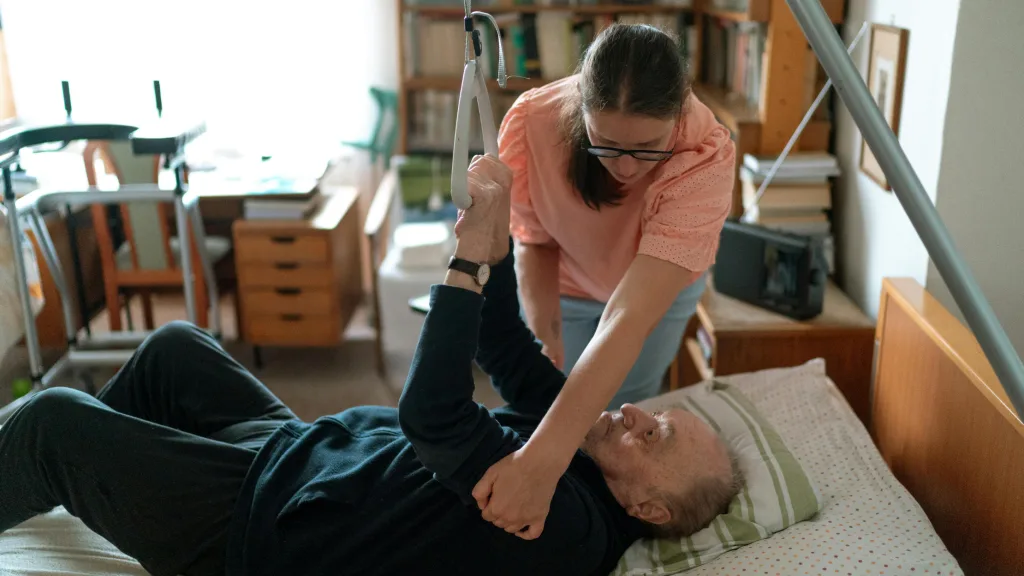
Living with arthritis presents unique daily challenges that can impact your independence and quality of life.
With over 100 different conditions falling under the arthritis umbrella, including the most common forms (osteoarthritis and rheumatoid arthritis), many Australians experience joint pain, stiffness, and mobility limitations that make everyday activities more difficult.
Whilst arthritis affects people of all ages, it’s particularly prevalent among older Australians. The good news? Professional support workers can provide personalised in-home assistance that helps you maintain your independence, reduce pain, and continue doing the things you love.
Here are five ways a qualified support worker can transform your daily life when managing arthritis at home.
1. Hands-On Assistance with Daily Living Activities
The joint pain and stiffness associated with arthritis can turn routine tasks into exhausting ordeals. Activities like getting dressed, preparing meals, maintaining your home and personal grooming may require significant effort and cause discomfort.
A dedicated support worker provides practical assistance with these essential daily activities, including:
-
Personal care: Help with bathing, dressing and grooming whilst respecting your dignity and preferences
-
Meal preparation: Cooking nutritious meals tailored to your dietary requirements and preferences
-
Housekeeping: Managing cleaning tasks, laundry and maintaining a tidy, organised living space
-
Shopping and errands: Accompanying you or handling grocery shopping and other essential tasks
By taking on physically demanding activities, your support worker helps you conserve energy for the things that matter most to you. Whether that’s spending time with grandchildren, pursuing hobbies, or simply enjoying a more comfortable day.
2. Mobility Support and Fall Prevention
Arthritis frequently impacts mobility, making it challenging to move safely around your home. This increased fall risk is a serious concern, but a trained support worker can significantly reduce these dangers.
Your support worker provides:
-
Direct mobility assistance: Helping you walk, transfer between furniture and navigate stairs safely
-
Mobility aid support: Assisting with walkers, canes, or other equipment to ensure proper use
-
Home safety modifications: Identifying and removing hazards like clutter, loose rugs, or slippery surfaces
-
Environmental improvements: Recommending and implementing safety features such as grab bars, improved lighting and accessible layouts
This comprehensive approach to mobility support not only prevents falls but also gives you the confidence to move around your home more freely, maintaining your independence and reducing anxiety about potential accidents.
3. Pain Management Support and Comfort Measures
Managing arthritis pain is an ongoing challenge that requires multiple strategies beyond medication alone. Support workers can provide valuable non-pharmacological pain relief techniques that complement your medical treatment plan.
Your support worker can assist with:
-
Heat and cold therapy: Applying warm compresses or ice packs to affected joints to reduce inflammation and ease discomfort
-
Gentle therapeutic techniques: Providing light massage and assisting with stretching exercises to improve flexibility
-
Positioning and comfort: Helping you find comfortable positions and using cushions or supports to reduce joint stress
-
Medication administration: Ensuring you take prescribed pain relievers and anti-inflammatory medications on schedule
These comfort measures can make a substantial difference in your daily pain levels, helping you stay more active and engaged in life despite arthritis symptoms.
4. Coordination with Therapy and Healthcare Appointments
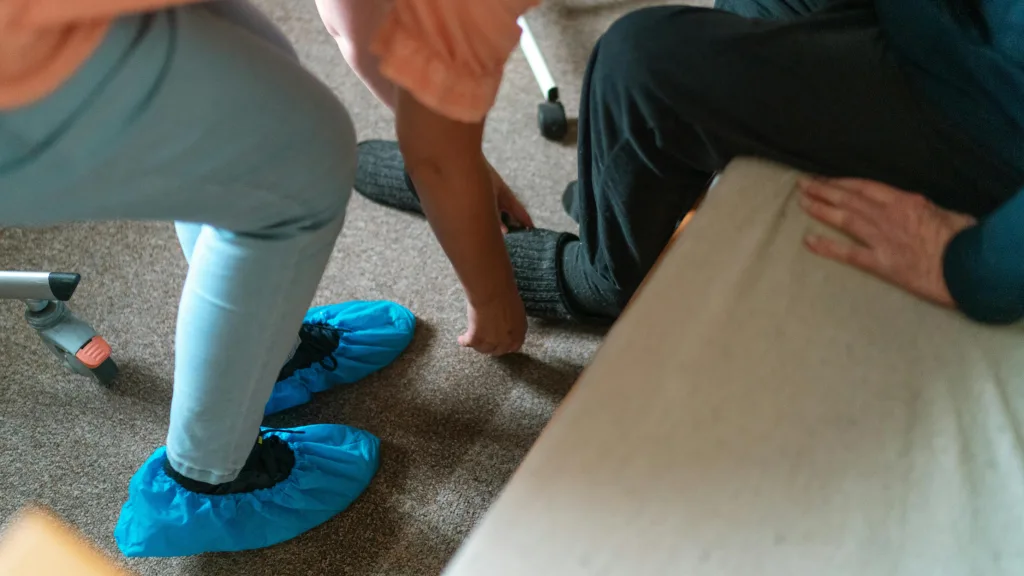
Physical therapy and occupational therapy are vital components of effective arthritis management, helping maintain strength, flexibility and functional independence. However, attending appointments and following through with prescribed exercises can be challenging.
A support worker bridges this gap by:
-
Providing reliable transport: Taking you to physiotherapy sessions, specialist appointments, exercise classes and medical consultations
-
Supporting therapy compliance: Assisting with prescribed home exercises and ensuring they’re performed safely and correctly
-
Coordinating with therapists: Working alongside your healthcare team to understand your care plan and implement recommended modifications
-
Medication management: Offering reminders, organising prescriptions, collecting medications from the pharmacy and monitoring for side effects
This coordinated approach ensures you receive consistent, comprehensive care that maximises the benefits of your treatment plan.
5. Emotional Support and Social Connection
The impact of chronic arthritis extends beyond physical symptoms. Living with persistent pain and reduced mobility can lead to feelings of frustration, isolation and low mood. The emotional toll of arthritis is often underestimated but significantly affects overall wellbeing.
Your support worker provides essential emotional and social support through:
-
Compassionate companionship: Offering a friendly, understanding presence that reduces feelings of loneliness
-
Social engagement: Encouraging participation in activities, hobbies and social connections that bring joy
-
Community connections: Helping you access local support groups where you can share experiences with others who understand your challenges
-
Confidence building: Providing encouragement to stay active and engaged, which is crucial for both physical and mental health
Having someone who genuinely cares about your wellbeing can make an enormous difference in your outlook and quality of life.
Specialised Support for Joint Replacement Recovery
For those who’ve undergone hip or knee replacement surgery, following post-operative instructions is crucial for successful recovery. Support workers play a vital role during this critical period by:
-
Ensuring you comply with surgeon’s guidelines about movements and activities
-
Helping you avoid positions or motions that could compromise healing
-
Assisting with prescribed rehabilitation exercises
-
Monitoring your recovery progress and reporting concerns
This dedicated support significantly improves recovery outcomes and helps you return to your regular activities more quickly and safely.
Finding the Right Support Worker for Your Needs

Every person’s experience with arthritis is unique, which is why personalised support makes such a difference. When choosing a support worker, look for professionals who:
-
Have experience supporting clients with arthritis and mobility challenges
-
Understand pain management strategies and physical therapy principles
-
Demonstrate patience, compassion, and excellent communication skills
-
Can adapt to your specific needs and preferences
-
Are properly qualified and undergo relevant training
Professional in-home support allows you to manage arthritis more effectively whilst maintaining the lifestyle and independence you value. Whether you need a few hours of assistance each week or more comprehensive daily support, qualified support workers can tailor their services to suit your individual circumstances.
Ready to explore how professional support workers can improve your quality of life with arthritis?
Contact H1 Healthcare today to discuss your needs and find the perfect support worker match for your home care requirements. Our experienced team is here to help you maintain independence, reduce pain and continue enjoying life on your terms.