
How a Support Worker Can Help You Stay Safe at the Beach
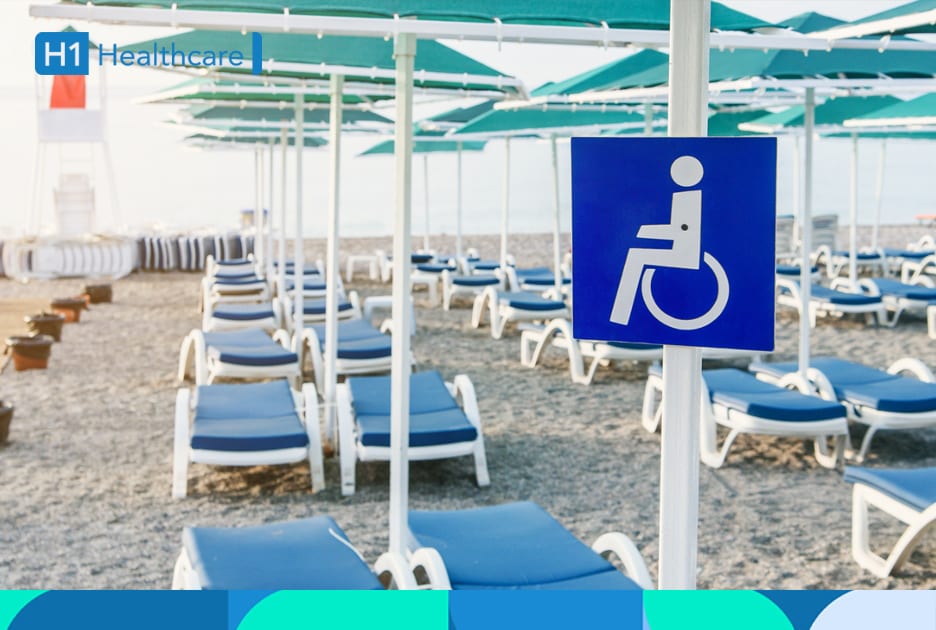
How a Support Worker Can Help You Stay Safe at the Beach
Australia’s stunning coastline is a national treasure. But for people with disability, some beaches can still pose challenges when it comes to accessibility and safety.
For support workers, understanding beach safety and accessibility is important for helping people experience the joy of coastal outings safely and confidently.
Accessible Beach Swimming for Wheelchair Users
The good news? Australia has made significant strides in beach accessibility, with many coastal locations now offering inclusive facilities that welcome people of all abilities.
Modern accessible beaches typically feature:
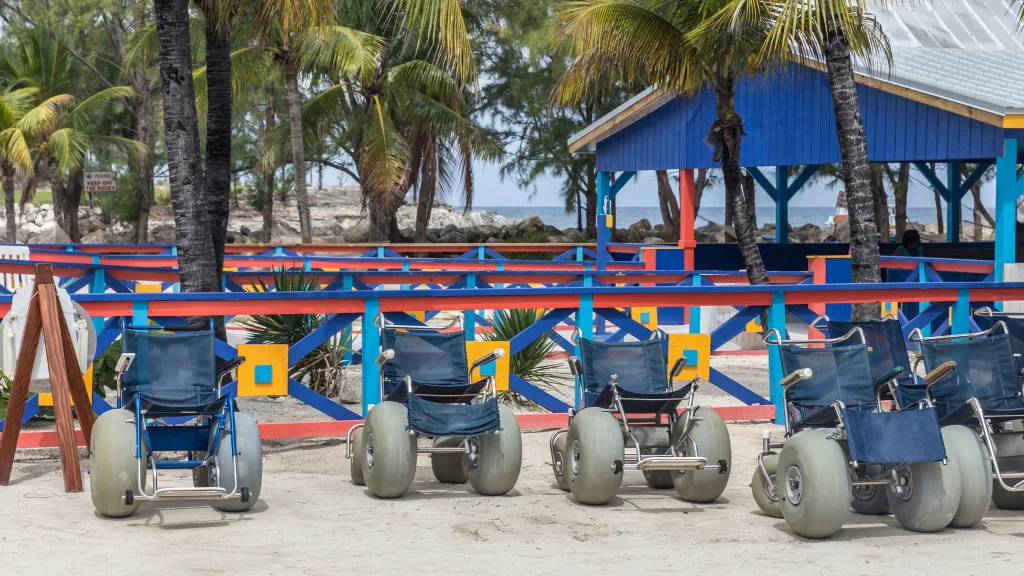
Beach Matting Systems: These specialised mats create stable, firm pathways from beach access points directly to the water’s edge. Wheelchair users can navigate both dry and wet sand with ease.
Mobi Chairs: Purpose-built beach wheelchairs equipped with oversized tyres designed specifically for sand terrain. These chairs offer superior manoeuvrability compared to standard wheelchairs. (Check with your local council or surf lifesaving club, as some beaches require advance booking.)
Infrastructure Improvements: Look for beaches with entry ramps, designated accessible parking bays, and properly equipped amenities including showers and toilets designed for wheelchair access.
Adapted Changing Rooms: These facilities feature expanded doorways, stability rails and lowered seating to accommodate various mobility needs.
Comfort Amenities: Shaded areas and freshwater stations help ensure comfort during beach visits.
Some locations also provide inclusive playgrounds or shallow pools nearby, offering alternatives for those who prefer to enjoy the coastal atmosphere without entering the surf.
While these accessibility features significantly improve beach access, proper supervision and safety precautions remain critically important.
Beach Safety Tips for People with Disability
1. Research and Plan Ahead
Thorough preparation is the foundation of a safe beach outing. Before your visit:
-
Identify beaches in your region with comprehensive accessible facilities
-
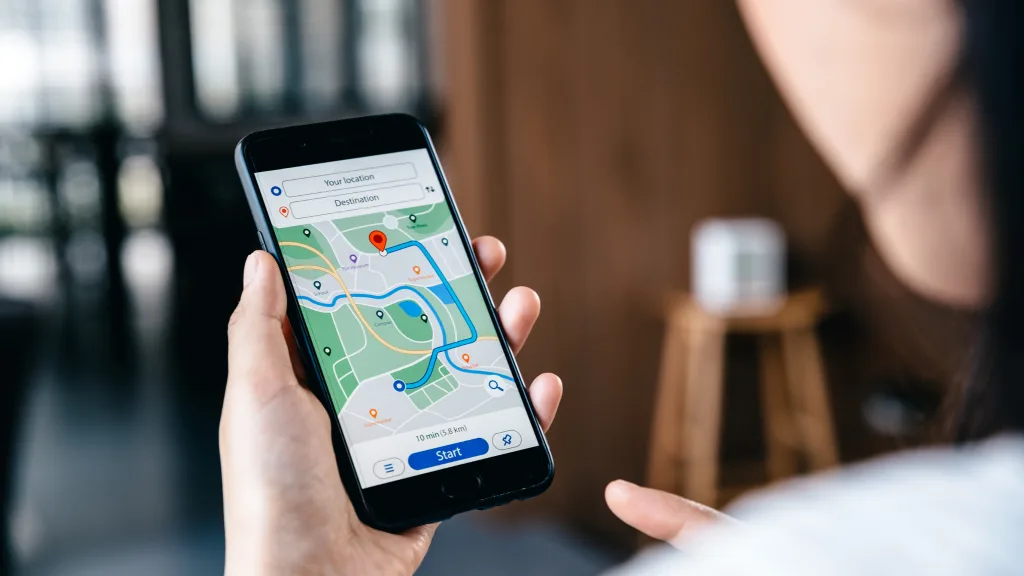
Map out distances between car parks, beach entry points and amenities
-
Review weather forecasts, paying particular attention to wind conditions, tide schedules and temperature extremes
-
Verify that mobility equipment (wheelchairs, walking aids, crutches) can withstand sand and saltwater exposure
-
Consider timing your visit outside peak summer crowds to ensure adequate space and mobility
2. Pack Essential Safety Equipment
Ensure you have all necessary items for protection and comfort:
-
High-SPF sunscreen (SPF 30 minimum), wide-brimmed hats and UV-protective sunglasses
-
Ample drinking water for hydration throughout the day
-
Comfortable seating options such as beach chairs or towels, plus a sun umbrella
-
First-aid supplies, nutritious snacks, beach entertainment and waterproof storage for valuables
3. Never Beach Alone
The buddy system is non-negotiable for water safety. Whether entering the water or exploring the beach, ensure your client is accompanied by:
- A trusted friend or family member
- Professional caregiver or support worker
- Lifeguards are also available during patrol hours, so make sure you swim between the red and yellow flags where they can see you easily.
- This companion can provide physical assistance and immediately request emergency help if required.
4. Understand Beach Warning Systems
Australian beaches use standardised flag and signage systems to communicate water conditions and safety information:
Red and Yellow Flags: Designated safe swimming zones with active lifeguard supervision. Always swim between these flags.
Red Flag Only: Swimming prohibited due to dangerous conditions. Stay out of the water.
Yellow Flag: Proceed with heightened caution. Hazards such as strong currents, powerful waves, or marine life may be present. Check nearby signage for specific warnings.
Yellow and Black Diamond Signs: Alert swimmers to potential dangers including rip currents, unexpectedly large waves, or marine stingers.
Red Circle with Diagonal Line: Regulatory signage indicating prohibited activities (e.g., swimming beyond flagged areas, dogs on beach).
Blue and White Square Signs: Informational markers directing visitors to facilities and amenities.
If anything is unclear, approach a lifeguard during patrol hours. They’re trained to answer questions about signage and safety concerns.
5. Establish Clear Communication Methods
Before arriving at the beach, discuss and agree upon:
-
Specific assistance requirements (water entry/exit, navigating uneven terrain, rest frequency)
-
Simple hand signals or gestures for quick, clear communication
-
Mobile phone protocols to maintain constant communication capability
6. Follow Lifeguard Instructions and Beach Signage
Lifeguards are professionally trained in water safety and rescue. Their instructions must be followed immediately, whether they’re directing you away from dangerous areas, warning about incoming waves, or clearing the water for emergency response.
Beach signage provides critical information about:
-
Restricted swimming zones
-
Marine life warnings
-
Wave and current conditions
Read all posted signs carefully. When in doubt, ask a lifeguard, beach patrol officer, or another trusted person for clarification.
Supporting Safe Beach Experiences
As aged care and disability support workers, your role in facilitating safe, enjoyable beach visits is invaluable. Understanding accessibility features and safety protocols ensures your clients can experience Australia’s beautiful coastline with confidence and security.
Remember: preparation, supervision and clear communication are the keys to successful beach outings for people with disability.
Looking for rewarding work as a support worker? H1 Healthcare connects compassionate professionals with clients who need skilled, understanding care. Contact us today to explore opportunities in disability and aged care support.