
A Caregiver’s Guide on How to Protect Elderly Skin from Sun Damage
A Caregiver’s Guide on How to Protect Elderly Skin from Sun Damage
As Australians, we cherish our sunshine and outdoor lifestyle. However, for older adults, enjoying the great outdoors requires extra care and attention. These practical sun safety tips can help older adults enjoy the outdoors more safely throughout the year.
Why Sun Protection Matters More as We Age
Over time, skin loses thickness and resilience, becoming more vulnerable to damage from ultraviolet radiation. This increased fragility means that what might have caused minor irritation in younger years can now lead to more serious concerns. Some common medications, including certain antibiotics or fluid tablets, may also make the skin more sensitive to sunlight.
Without proper protection, seniors face elevated risks, including painful burns and pigmentation changes. The good news? These risks can be substantially minimised through consistent, thoughtful sun safety habits.
Selecting and Using Sunscreen Effectively
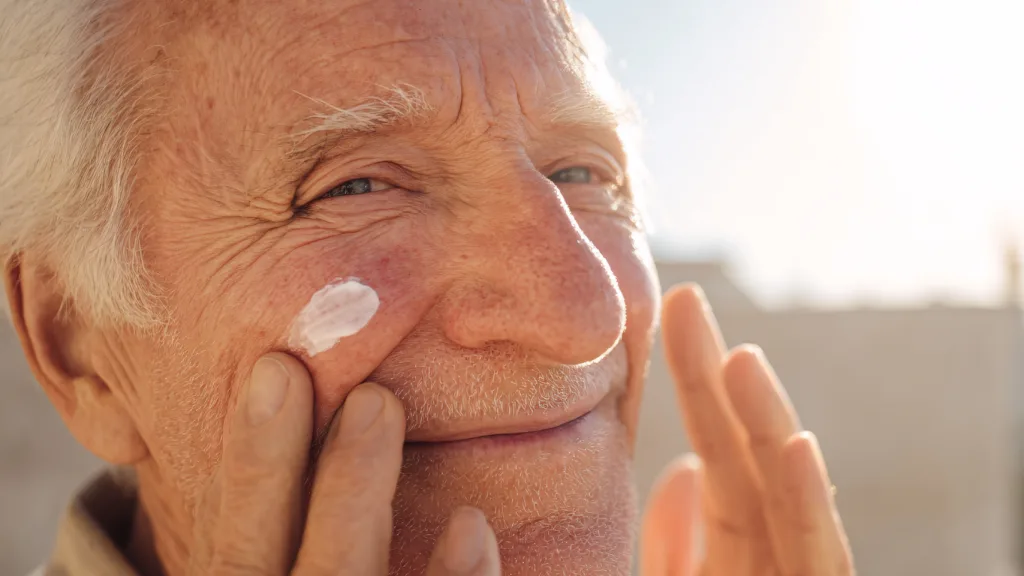
When choosing a product for older skin, look for formulations with SPF 30 or higher and broad-spectrum coverage. This ensures defence against both UVA and UVB radiation.
Application technique matters just as much as product choice. Cover all exposed areas thoroughly. Pay special attention to commonly missed spots such as ears, the back of the neck and feet. For optimal protection, sunscreen should be reapplied every couple of hours, with more frequent application during swimming or perspiring.
For seniors receiving in-home support, carers can help make sunscreen application part of a simple morning routine.
Smart Clothing Selections
Clothing choices can make a big difference in staying comfortable outdoors. Lightweight garments with long sleeves and full-length pants offer excellent coverage without causing overheating. Pair these with a broad-brimmed hat that shades the face and neck.
Fabric choice makes a difference, too! Tightly constructed materials or those specifically rated with UPF (Ultraviolet Protection Factor) deliver superior protection. Complete the ensemble with quality sunglasses that block UV rays.
Staying Hydrated in Warm Weather
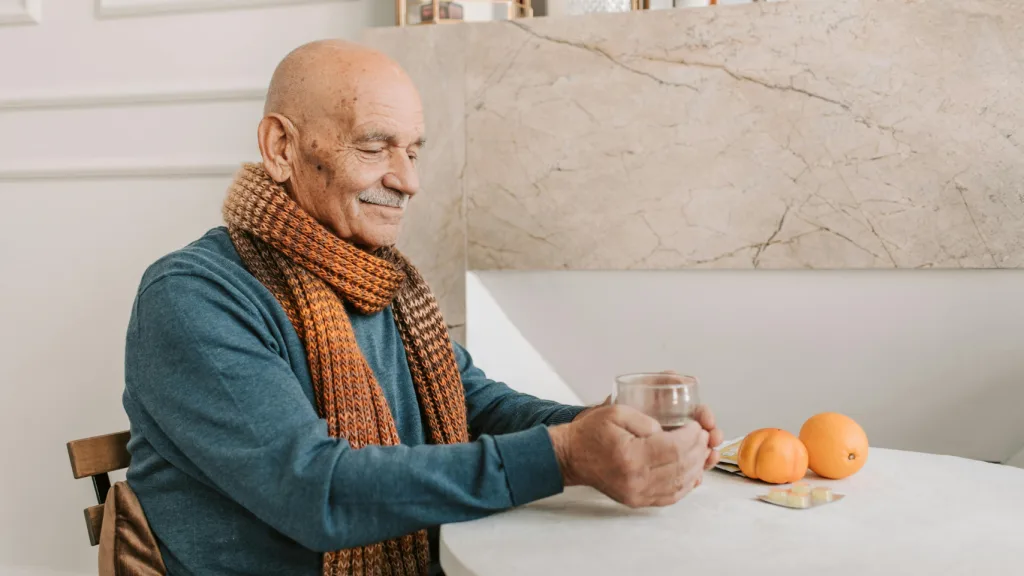
In warmer conditions, dehydration can develop rapidly and without obvious warning signs. Older adults face vulnerability due to age-related physiological changes and diminished thirst perception.
Recognise warning signals such as dry mouth, lightheadedness and unusual tiredness. The most effective approach is drinking water regularly throughout the day, regardless of whether thirst is present. Complement fluid intake with hydrating foods like watermelon, cucumbers and citrus fruits, all of which help maintain healthy hydration levels.
Planning Outdoor Time Wisely
The sun’s intensity peaks between 10 a.m. and 4 p.m., making these hours particularly risky. Instead, schedule outdoor activities for early morning or late afternoon when UV radiation is considerably less intense.
When midday outdoor time is unavoidable, prioritise shaded locations and incorporate regular rest periods out of direct sunlight. Pay attention to how your body feels. Any signs of overheating or exhaustion warrant immediate action to cool down and rehydrate.
How Extra Support Can Help
Outdoor fun should feel safe and uplifting, no matter what stage you are at in life. By maintaining healthy routines at home and in the community, seniors can stay confident in the sun. If you or a loved one could benefit from extra assistance — from daily wellbeing checks to helping prepare for outings — our amazing H1 Healthcare support workers are here to make each day easier and brighter.
Reach out today to learn how personalised support can help you enjoy the moments that matter most.