
Chronic Pain Management for Older Adults: A Complete Guide for Families and Home Care
Chronic pain is one of Australia’s most widespread yet under-addressed health challenges — and it falls hardest on older adults. Here’s what families and carers need to know about causes, management strategies, and the powerful role of personalised support.
What Is Chronic Pain?
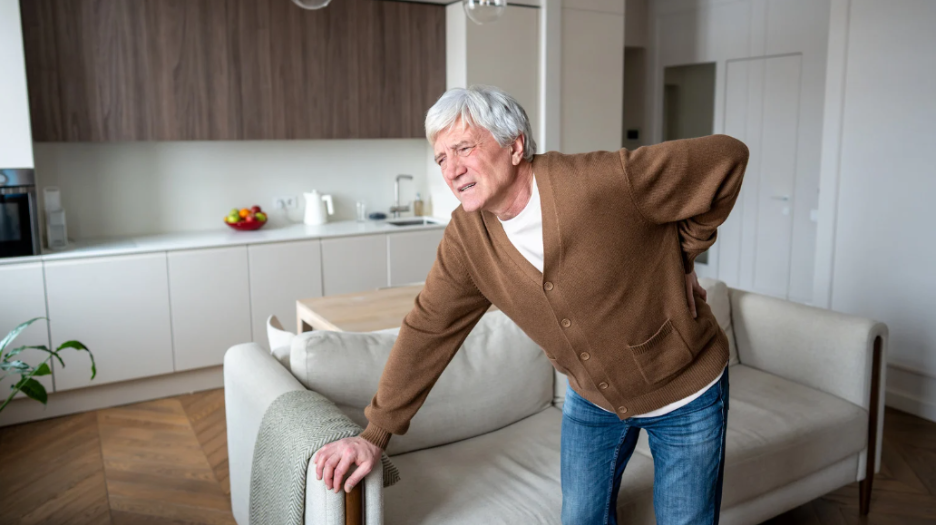
Chronic pain is typically defined as pain that lasts longer than 12 weeks or continues beyond the expected healing time. Unlike short-term pain, it may persist even when there’s no clear injury or ongoing damage.
For older Australians, chronic pain is rarely a single, simple problem. It tends to involve an interplay of physical, emotional, and psychological factors, and its effects can vary considerably from person to person — both in severity and in how much it disrupts daily life. This complexity is precisely why a one-size-fits-all approach rarely works. Effective care must be individually tailored.
Key insight: Chronic pain doesn’t always mean something is still “broken.” The nervous system can become sensitised over time, continuing to generate pain signals even when the original cause is no longer present. This is a recognised medical phenomenon — not imagination.
Common Causes of Chronic Pain in Older Adults
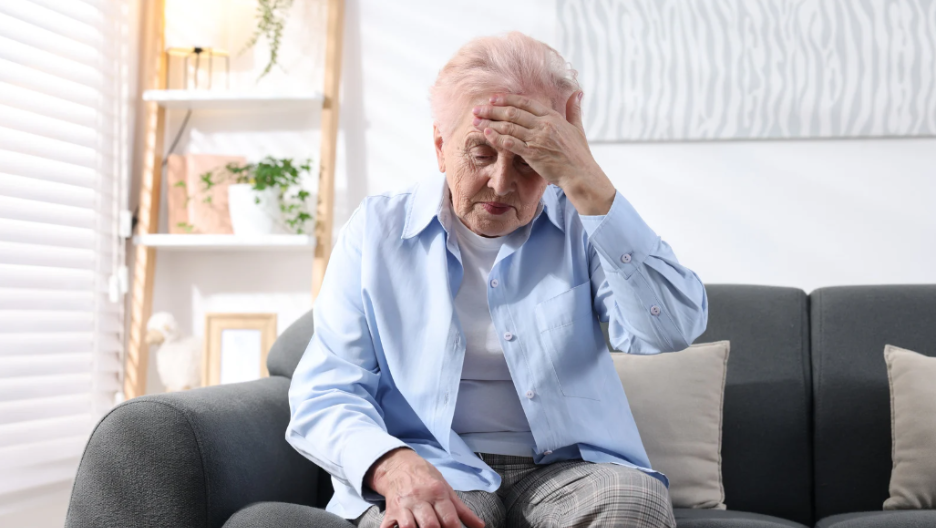
Chronic pain in older people is rarely caused by just one thing. A wide range of conditions and life events can contribute to persistent pain, including:
Musculoskeletal Conditions
Arthritis, osteoporosis, and degenerative joint disease are among the most common sources of ongoing pain in later life, often affecting mobility and independence.
Painful Neuropathies
Nerve pain resulting from diabetes, shingles, chemotherapy, or previous surgeries is increasingly prevalent among older adults.
Cancer & Its Treatments
Cancer itself, as well as treatments like chemotherapy and radiation, can be significant sources of chronic pain that require dedicated management.
Advanced Chronic Illness
Conditions such as heart failure, end-stage kidney disease, and chronic obstructive pulmonary disease commonly cause pain in their later stages.
Post-Surgical Pain
A notable proportion of patients who undergo joint replacement or repair surgeries continue to experience pain even after successful procedures.
Vertebral Fractures
Compression fractures of the spine, particularly common in older women, cause significant, often debilitating pain and discomfort.
The Scale of Chronic Pain in Australia
3.6M+ Australians are currently living with chronic pain, making it the country’s leading cause of disability. Among community-dwelling older adults, the prevalence is especially high, yet pain remains significantly under-recognised and under-treated in this group.
Many older adults live with ongoing pain without adequate support. This can happen for several reasons:
- Pain may be seen as a “normal” part of ageing
- Difficulty communicating symptoms due to cognitive changes
- Limited access to specialised pain services
- Concerns about medication side effects
Without proper management, chronic pain can lead to reduced mobility and a decline in overall health.
Effective Chronic Pain Management Strategies for Seniors
Managing chronic pain in older adults requires a multidisciplinary framework, one that considers not just the physical symptoms but the whole person.
1. Medication
While pharmaceutical options play a role, they must be handled with particular care in older adults, whose bodies metabolise drugs differently and who are more susceptible to side effects.
| Medication Type | Common Uses | Key Considerations |
| NSAIDs (e.g. ibuprofen, naproxen) | Arthritis, inflammation, osteoporosis-related pain | Effective short-term; prolonged use raises risks of gastrointestinal issues, kidney strain, and cardiovascular complications. |
| Paracetamol | Mild to moderate pain; osteoarthritis, back pain | Generally better tolerated by older adults than NSAIDs. Effective for many common pain types. |
| Opioids (e.g. morphine, oxycodone) | Severe pain unresponsive to other treatments | High efficacy for severe pain; however, carries significant risk of dependence, sedation, constipation, and respiratory complications. |
2. Physical Therapy and Movement
A targeted physical therapy programme is one of the most effective tools for reducing pain and improving function in older adults. When designed appropriately, regular exercise addresses the root causes of discomfort rather than simply masking symptoms.
Key approaches include:
- Flexibility and strength training to reduce stiffness and support joints
- Balance and posture exercises to prevent falls and relieve pressure on the body
- Hydrotherapy (water-based exercise), which allows gentle movement with less strain on joints (ideal for those with mobility limitations)
- Massage Therapy can help relieve muscle tension, improve circulation and promote relaxation
3. Mind-Body Approaches
Techniques that support both mental and physical wellbeing are increasingly recognised in pain management. These include:
- Meditation and breathing exercises
- Tai chi and gentle movement practices
- Acupuncture
These approaches may help reduce pain perception while improving mood and overall resilience.
Why Social Support Is a Cornerstone of Pain Management
Pain is not experienced in isolation. It affects mood, motivation, relationships, and a person’s overall sense of self. Research consistently shows that older adults with strong social connections tend to report better pain outcomes than those who are isolated. With the right support in place, older adults are more likely to stay active and in control of their wellbeing.

Emotional Wellbeing
Regular interaction with carers, family, or friends reduces loneliness, lifts mood, and lowers stress. All of which can meaningfully reduce the perceived intensity of pain.
Better Outcomes Over Time
Social connection acts as a natural distraction from pain and supports the development of healthier coping mechanisms, contributing to improved long-term results.
Healthier Daily Habits
Having a supportive person nearby encourages adherence to treatment plans, timely attendance at appointments, gentle physical activity and consistent medication management.
Practical, Everyday Assistance
Help with transport, shopping, cooking, or household chores reduces physical strain, making daily life considerably safer and more comfortable for those managing ongoing pain.
Confidence to Seek Help
When seniors feel genuinely heard and validated, they are far more likely to voice their symptoms, engage with healthcare professionals and follow through with treatment.
Looking for Support You Can Trust?
The right support goes well beyond practical assistance. It provides consistency and the kind of attentive care that formal clinical settings often can’t sustain day to day.
H1 Healthcare specialises in matching older Australians with support workers who understand the complexities of chronic pain… and who genuinely care about the people they look after.